Newsroom
How to Select Slim‑Thin Ball Bearing for Aerospace Applications
2026-05-20 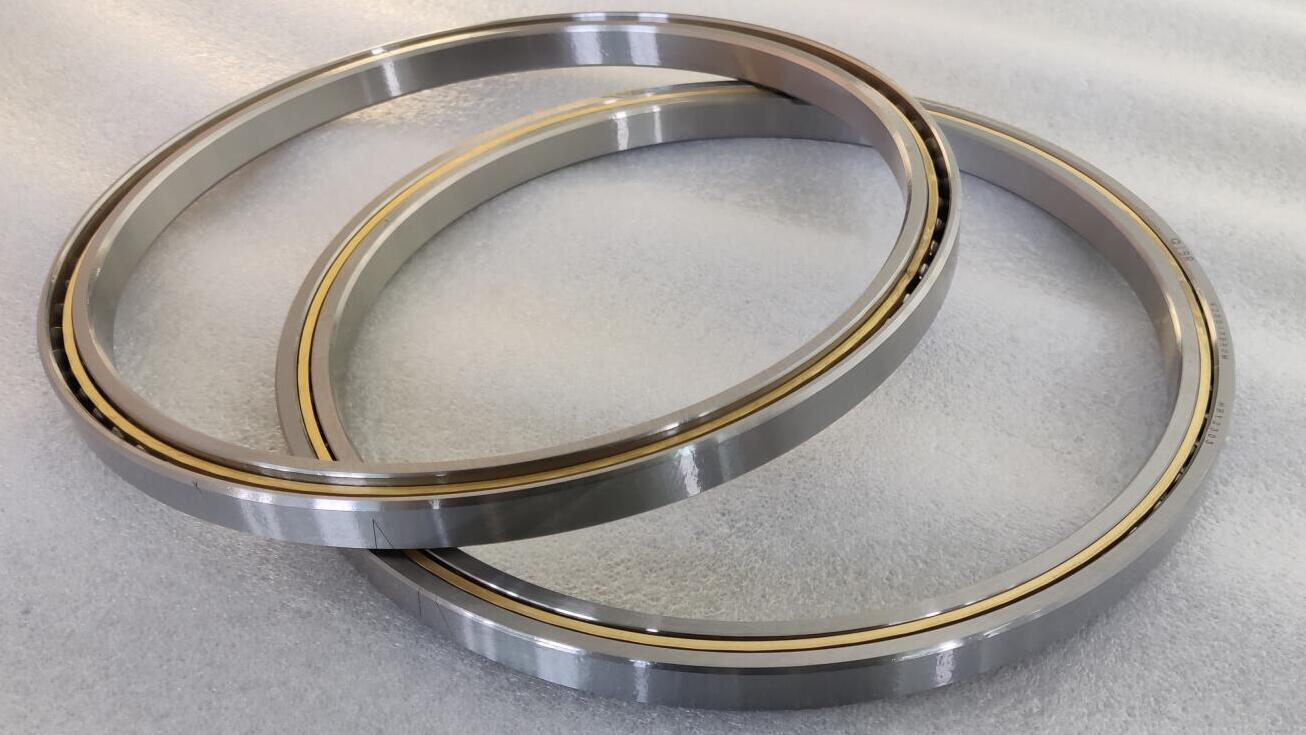 Step 1: Determine Bearing Type
Three types are widely used in aerospace:
- Deep‑groove slim thin ball bearings: For general airborne equipment and precision mechanisms
- Four‑point contact slim thin ball bearings (X‑type): Can bear radial and bidirectional axial loads simultaneously; the most common choice for aerospace
- Angular‑contact slim thin ball bearings: For high‑speed spindles and servo mechanisms
Priority recommendation: Four‑point contact slim thin ball bearings for light weight, compact size and high load capacity.
Step 2: Select Precision Grade (Non‑negotiable for aerospace)
- General airborne equipment: ABEC‑5 / ISO Class 5 (P5)
- High‑speed instruments, UAVs, inertial navigation systems: ABEC‑7 / ISO Class 4 (P4)
- High‑end aero‑engines and guidance systems: ABEC‑9 / ISO Class 2 (P2)
Required supporting specifications:
- Raceway Finish: Surface roughness Ra ≤ 0.1–0.2 μm
- Race Runout: Strict control of micrometer‑level radial runout
Step 3: Choose Cage Type (Aerospace‑only designs; stamped steel cages are prohibited)
- Snap‑Over Phenolic Cage: One‑piece rivet‑free design, lightweight, stable for high‑speed light‑load applications
- Toroid Separator: Integral ring separator for balls, superior shock resistance and stability; standard for four‑point contact bearings
Avoid stamped steel cages and nylon cages due to poor temperature resistance and short service life. 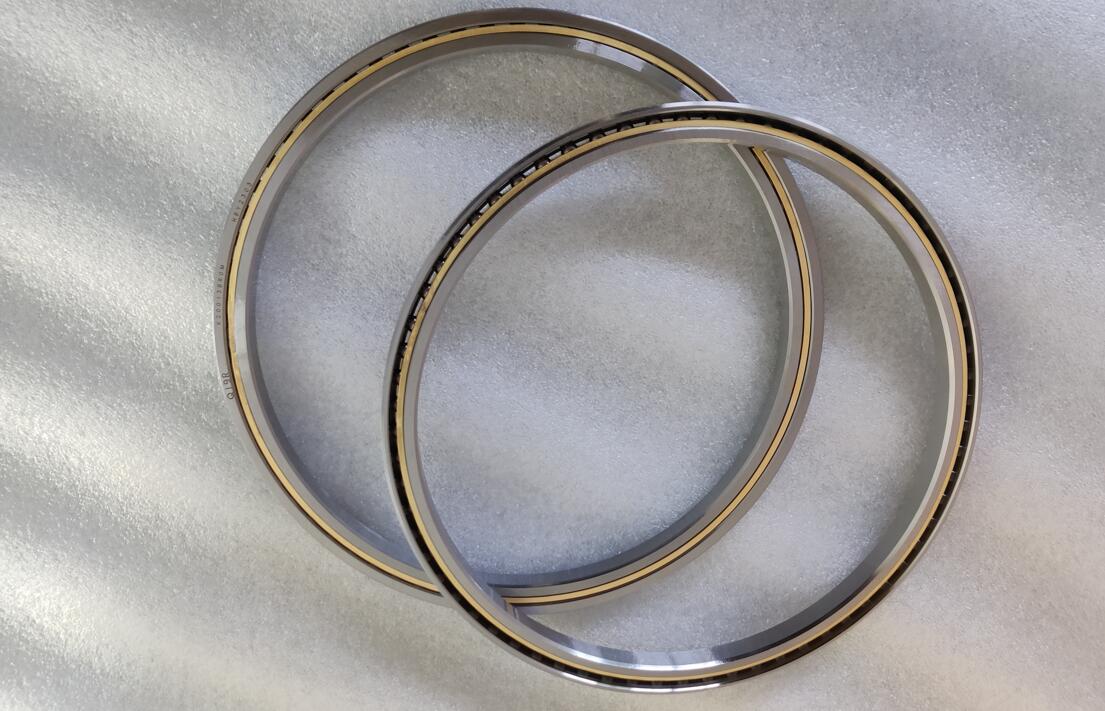
Step 4: Select Sealing Type (Aerospace‑grade only)
- Preferred: 2 PTFE Seals, double‑sided
- Low friction, resistant to −70 °C low temperature, compatible with aerospace fluids, anti‑aging
- Open type: For external oil lubrication
- Not recommended: Standard rubber 2RS seals (poor temperature resistance, prone to failure)
Step 5: Select Lubricant (Strictly matched to working conditions)
1. Maintenance‑free long‑life service, wide temperature range (−73 °C ~ +121 °C):
Mobil Grease 28 (MIL‑G‑81322), standard aerospace grease
2. Ultra‑low‑temperature high‑speed oil lubrication:
Tribolube‑L3 Light Oil (−57 °C)
3. Fire‑resistant high‑temperature airborne applications:
Brayco Micronic 882 Oil (MIL‑PRF‑83282D)
Sealed bearings: Mobil Grease 28 preferred; Open high‑speed bearings: Light Oil preferred. 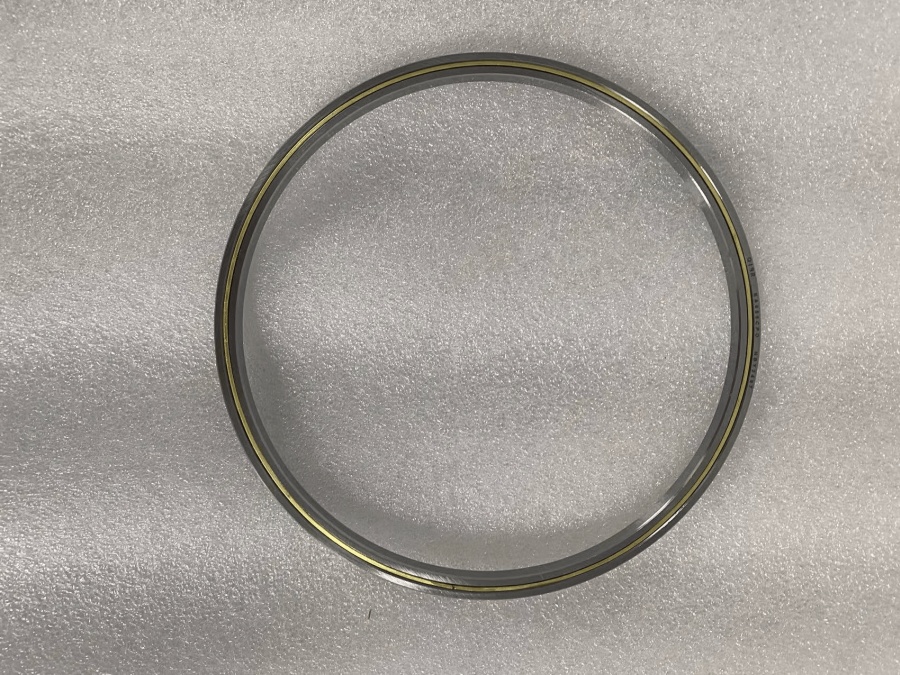
Step 6: Material & Special Functions
- Standard material: High‑purity AISI 52100 aerospace‑grade bearing steel
- Non‑magnetic equipment (navigation / magnetic sensors): Non‑magnetic stainless steel (440C non‑magnetic grade)
- Servo / variable‑frequency motors: Add VL0241 outer‑ring insulating coating to prevent electrical corrosion
- Environmental requirements: Salt spray resistance, compatibility with aerospace hydraulic oil and fuel, moisture resistance
Step 7: Size, Load & Weight Reduction (Core aerospace requirement)
- Choose the thinnest cross‑section possible under load constraints to minimize weight
- Four‑point contact design bears both radial and axial loads, reducing the number of bearings for further weight saving
- Verify DN value, radial/axial load, shock load and operating temperature