Newsroom
How to Mount a Bearing Unit on an Inclined Surface?
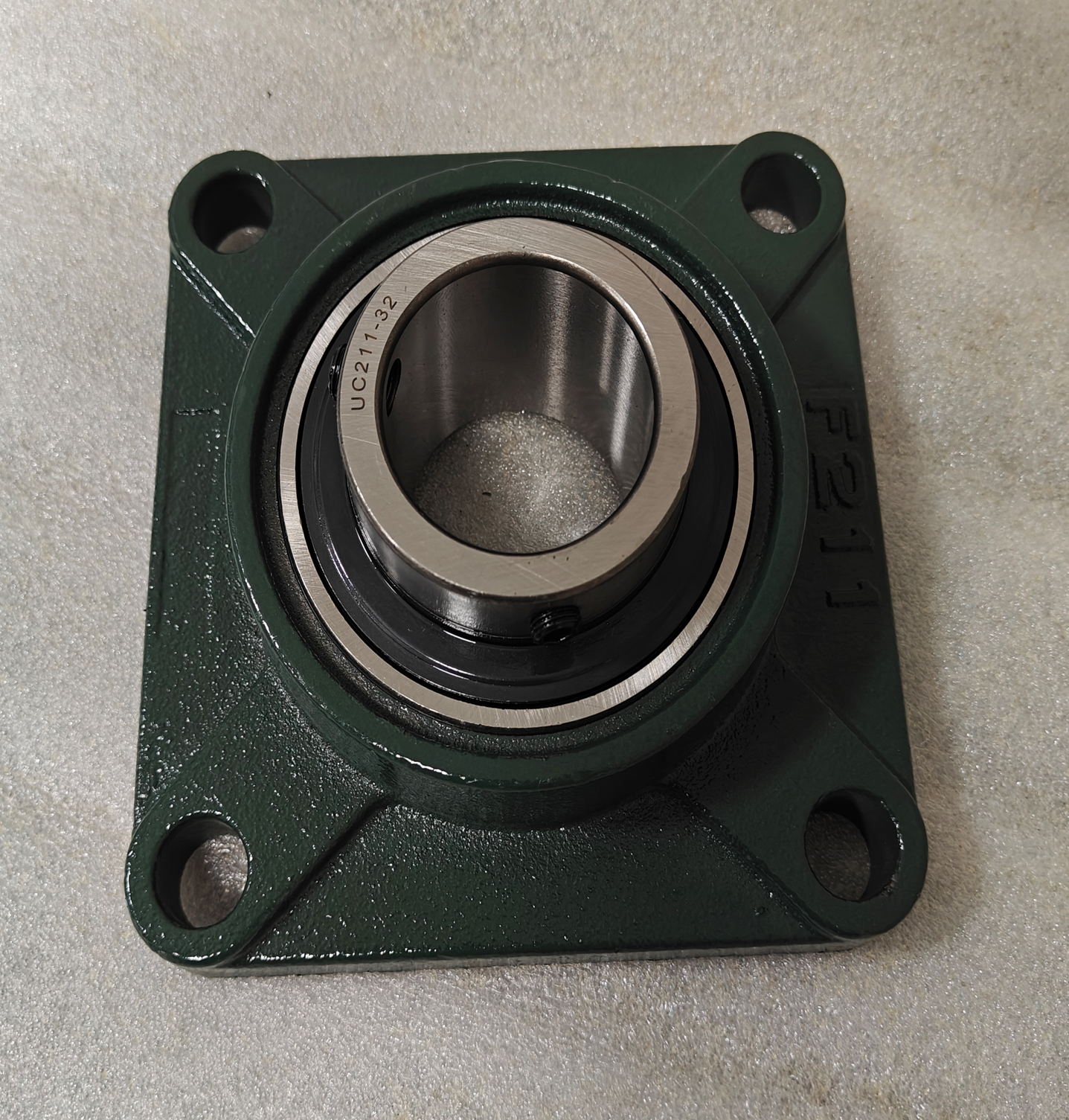
2026-04-30Mounting a bearing unit on an inclined surface is a non-standard condition. Improper installation may cause axis deviation, stress concentration and unstable operation. Professional alignment, stress correction and rigidity compensation can eliminate these adverse effects, ensuring the bearing’s service life is not compromised.
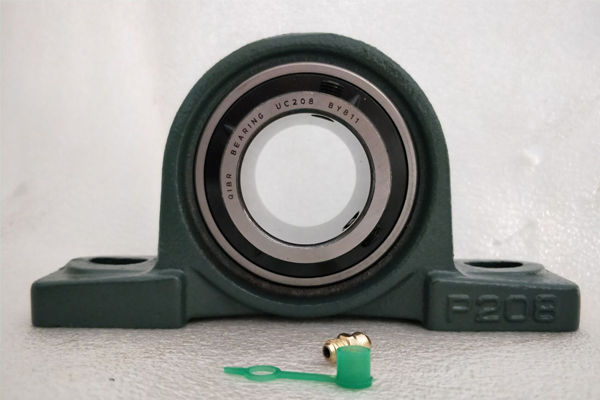
1. Influence Mechanism of Inclined Surface on Bearing Unit Installation
An inclined surface changes the bearing unit’s force direction and causes axis deviation. Direct mounting without correction adds extra loads on rolling elements, leading to overheating, noise and premature wear. Insufficient rigidity of the inclined surface may also cause secondary deflection of the bearing unit.
- Inclined surface causes bearing axis deflection
- Induces extra load on bearing assembly
- Insufficient rigidity amplifies installation deviation
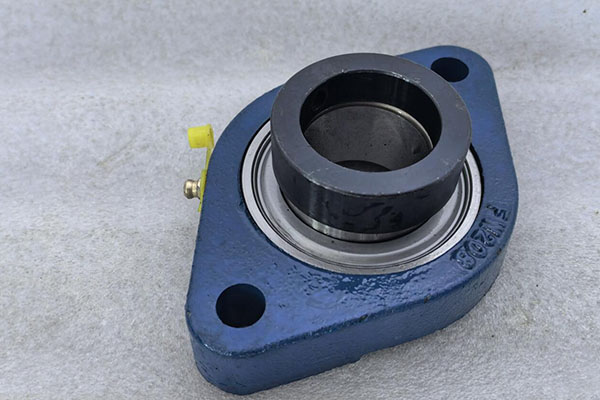
2. Common Installation Correction & Structural Solutions
The most reliable way is to use transition components (e.g., base plates, wedge-shaped seats) between the inclined surface and bearing unit to correct the mounting angle. For limited space or light loads, adjusting shims can be used, ensuring even stress and sufficient rigidity.
- Transition structure corrects mounting angle perfectly
- Wedge-shaped base and custom pedestal for maximum stability
- Adjusting shims shall meet rigidity and uniform stress requirements
3. Key Control Points for Installation & Alignment
Complete shaft alignment before bolt fastening (symmetric sequence to avoid secondary offset). After installation, check for jamming or abnormal noise via manual rotation or low-speed trial. Reinforce the inclined surface for medium/heavy loads to prevent displacement.
- Symmetric bolt tightening avoids secondary axis offset
- Mandatory alignment inspection before formal operation
- Structural reinforcement required for heavy-load inclined mounting
4. Summary
Mounting a bearing unit on an inclined surface is feasible with structural compensation and precision alignment. Ensuring accurate axis positioning, reasonable force distribution and sufficient rigidity guarantees stable operation and long service life.