Newsroom
Booming Robot Joint Demand Fuels Expansion of Ultra Thin Section Bearing Market
2026-05-28 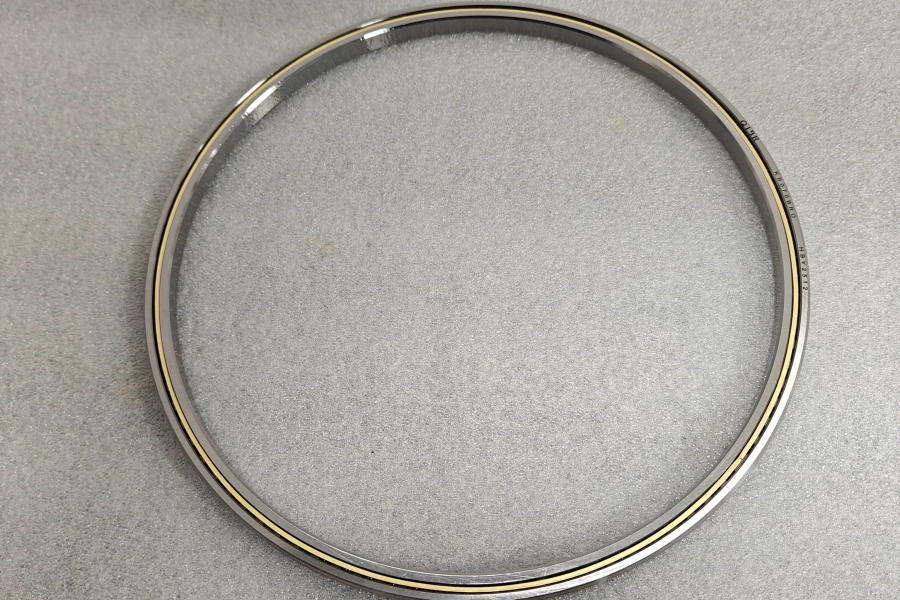 With the deepening of industrial automation and intelligent manufacturing, the demand for industrial robot joints is experiencing explosive growth. In high-precision manufacturing fields such as automobile manufacturing, new energy, and semiconductors, the load-bearing capacity, motion accuracy, and stability of robot joints have become core factors for improving production capacity. For example, the repeatability accuracy requirement for joint modules in the welding process of new energy batteries has reached ±0.02mm, directly driving a surge in demand for high-rigidity, low-friction joint transmission components.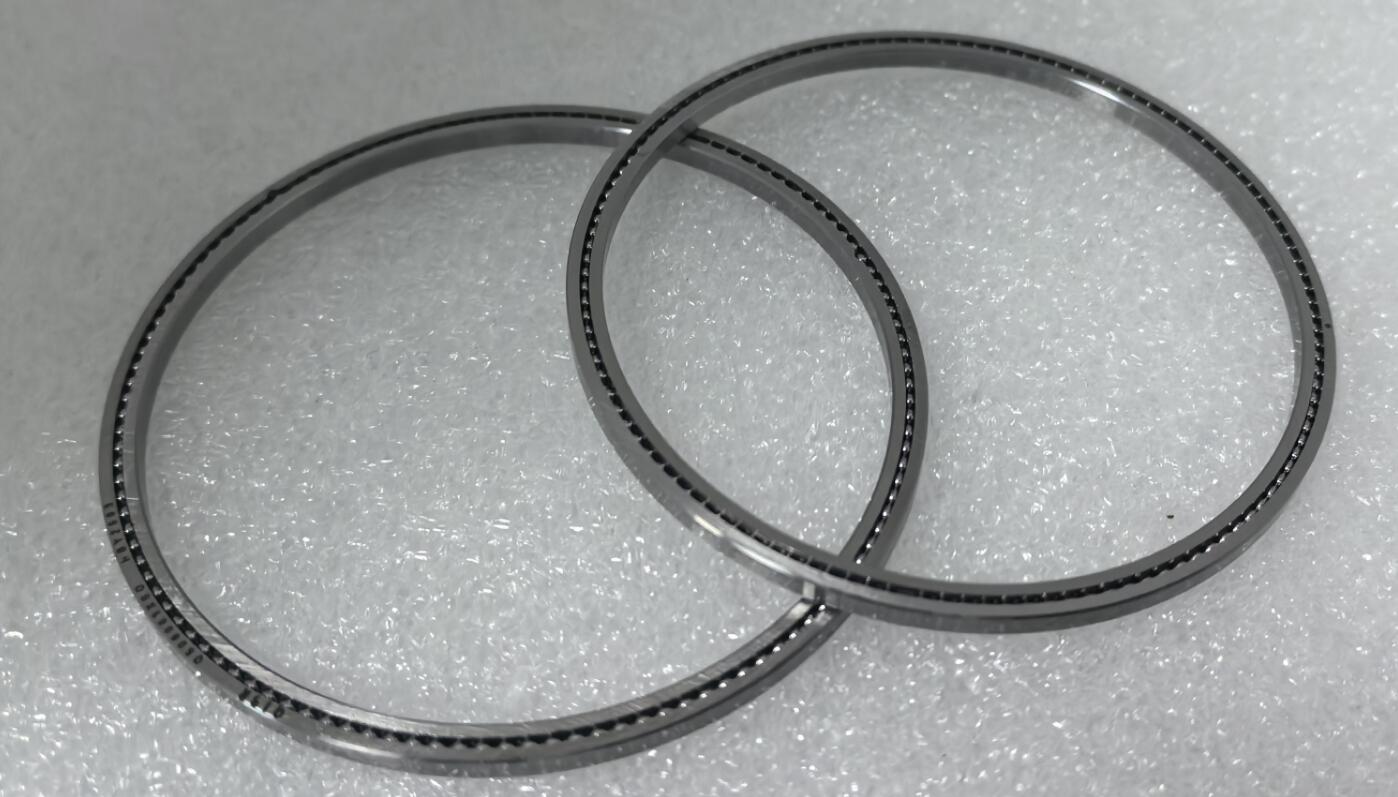
Ultra thin section bearings, as a key support for joint motion systems, are experiencing significant market expansion. These bearings, through a 90° vertical cross-roller arrangement design, achieve a 42% simultaneous increase in radial and axial stiffness within a 2cm thin-walled space, with a rotational accuracy exceeding 0.002mm, meeting the stringent requirements of industrial robot joints for three-dimensional force application. Industry data shows that the Chinese industrial robot joint module market size has exceeded 12 billion yuan by 2025, with Ultra thin section bearings accounting for 4-8 sets per unit, and an annual demand exceeding 20 million sets. 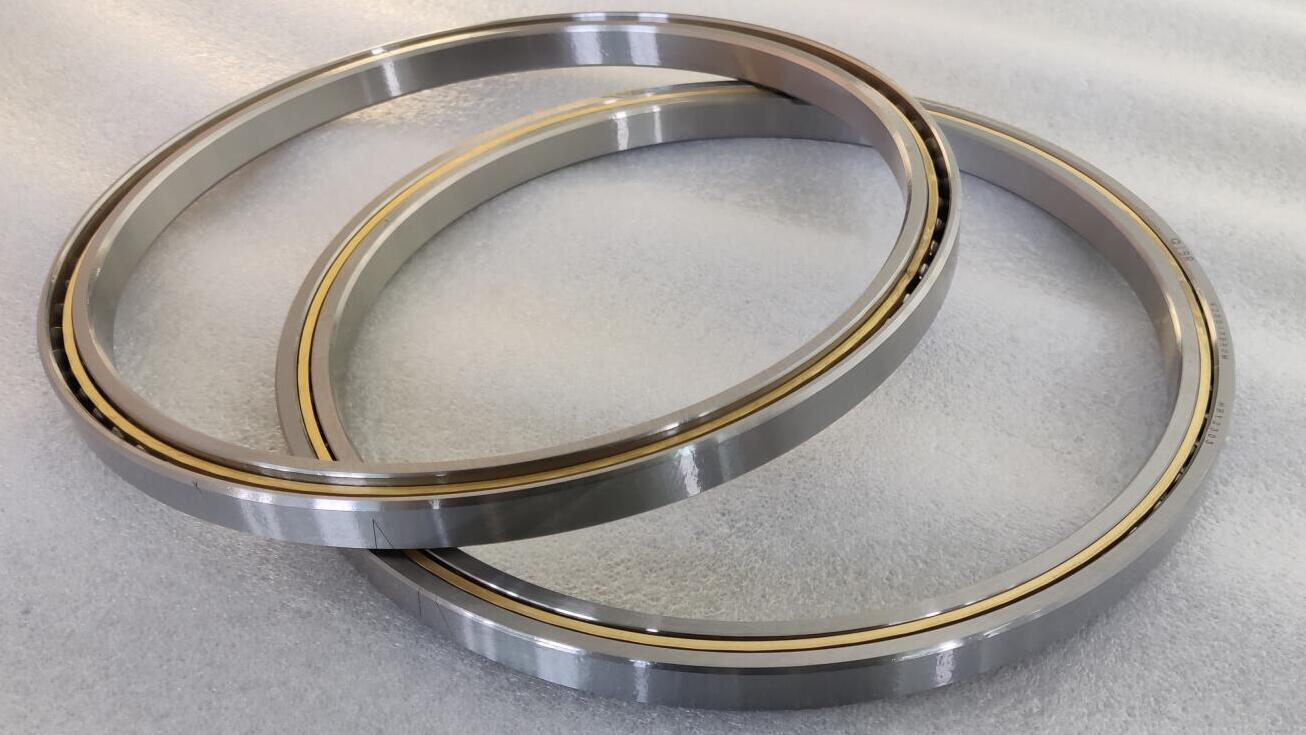
Technological iteration and scenario expansion are driving this growth in both directions. In the field of humanoid robots, the number of Ultra thin section bearings used per unit has increased to 20-30 sets, posing new challenges to the miniaturization (inner diameter of 5mm) and impact resistance of bearings. Medical surgical robots require bearings with a precision of 0.01mm, promoting the integrated application of ceramic materials and hydrodynamic lubrication technology. Through collaborative research and development between industry, academia, and research institutions, domestic enterprises have made breakthroughs in areas such as heat treatment of ultra-thin-section bearing steel and optimization of channel geometry parameters. The wall thickness tolerance control accuracy of domestically produced products has reached ±0.01mm, gradually replacing imports in the high-end market.