Newsroom
Lubrication Selection for Deep Groove Ball Bearings Under Different Temperature Conditions
2026-05-08The lubrication performance of a deep groove ball bearing is directly affected by operating temperature. Changes in temperature can influence grease consistency, oil film stability, oxidation resistance, and adhesion capability. In low-temperature environments, lubricants must maintain good flowability, while high-temperature applications require excellent anti-oxidation and anti-evaporation performance to prevent oil film breakdown.
1. Lubrication Requirements for Low-Temperature Applications
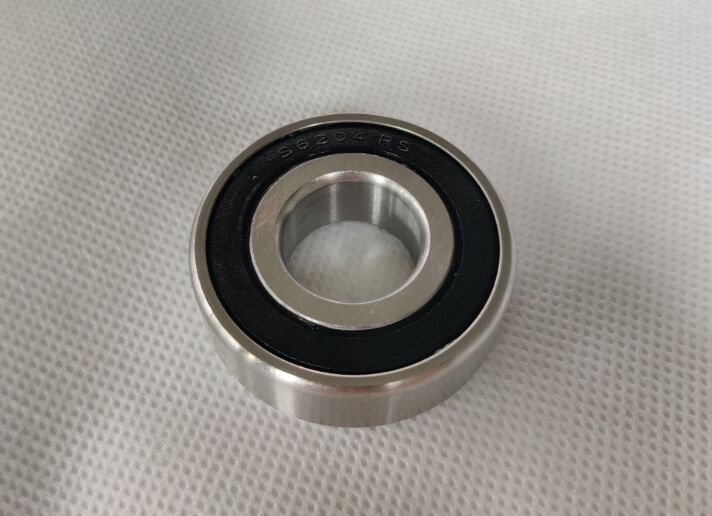
When deep groove ball bearings operate in low-temperature environments, lubricants must retain sufficient fluidity to reduce startup resistance and ensure rapid oil film formation on raceways and rolling elements.
If the ambient temperature falls below the dew point, moisture condensation may occur inside the bearing housing. Therefore, lubricants used in cold conditions should also provide excellent water resistance and anti-corrosion properties.
For equipment that remains idle for long periods in cold environments, periodic slow-speed operation is recommended to redistribute lubricant across rolling surfaces and minimize dry friction during startup.
Key Considerations for Low-Temperature Bearing Lubrication
- Maintain excellent low-temperature flowability
- Improve water resistance and anti-corrosion protection
- Reduce startup torque and friction
- Ensure stable oil film formation during cold starts
2. Lubrication Stability in Medium-Temperature Operating Conditions
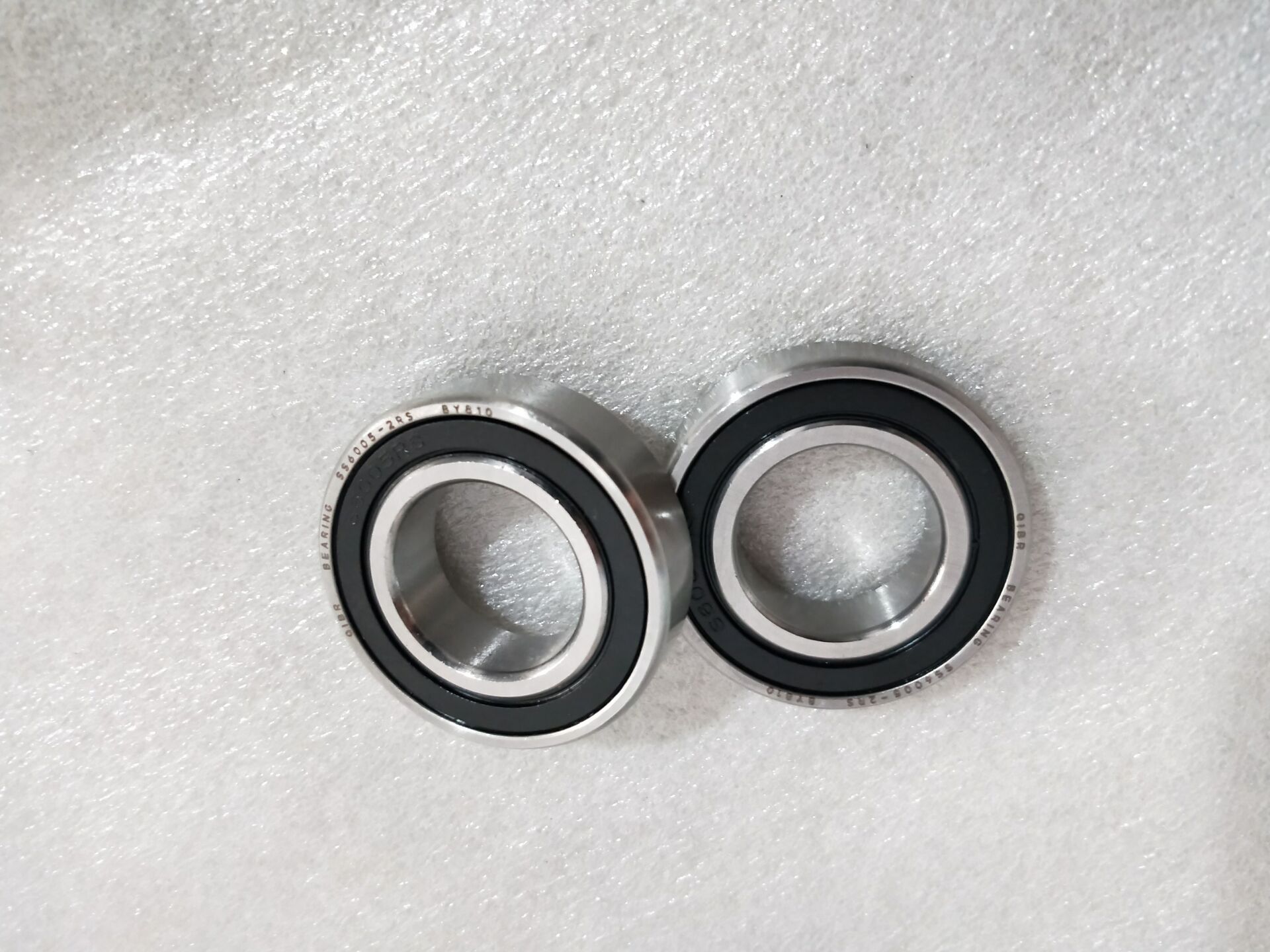
Under normal operating temperatures, deep groove ball bearings require lubricants with balanced consistency and strong shear stability to maintain a continuous lubricating film between rolling elements.
Although medium-temperature conditions are less demanding than extreme environments, temperature fluctuations may accelerate lubricant oxidation over time. As grease oxidizes, it may darken, thicken, or lose lubricating efficiency.
To ensure long-term reliability, operators should monitor lubricant condition regularly and establish proper relubrication intervals based on running hours and operating conditions.
At this stage, effective bearing sealing also plays an important role in preventing dust, debris, and contaminants from entering the bearing and degrading lubricant performance.
Key Considerations for Medium-Temperature Bearing Lubrication
- Maintain stable oil film thickness
- Improve oxidation resistance
- Enhance shear stability
- Prevent dust and contamination intrusion
3. Lubrication Strategies for High-Temperature Bearing Operation
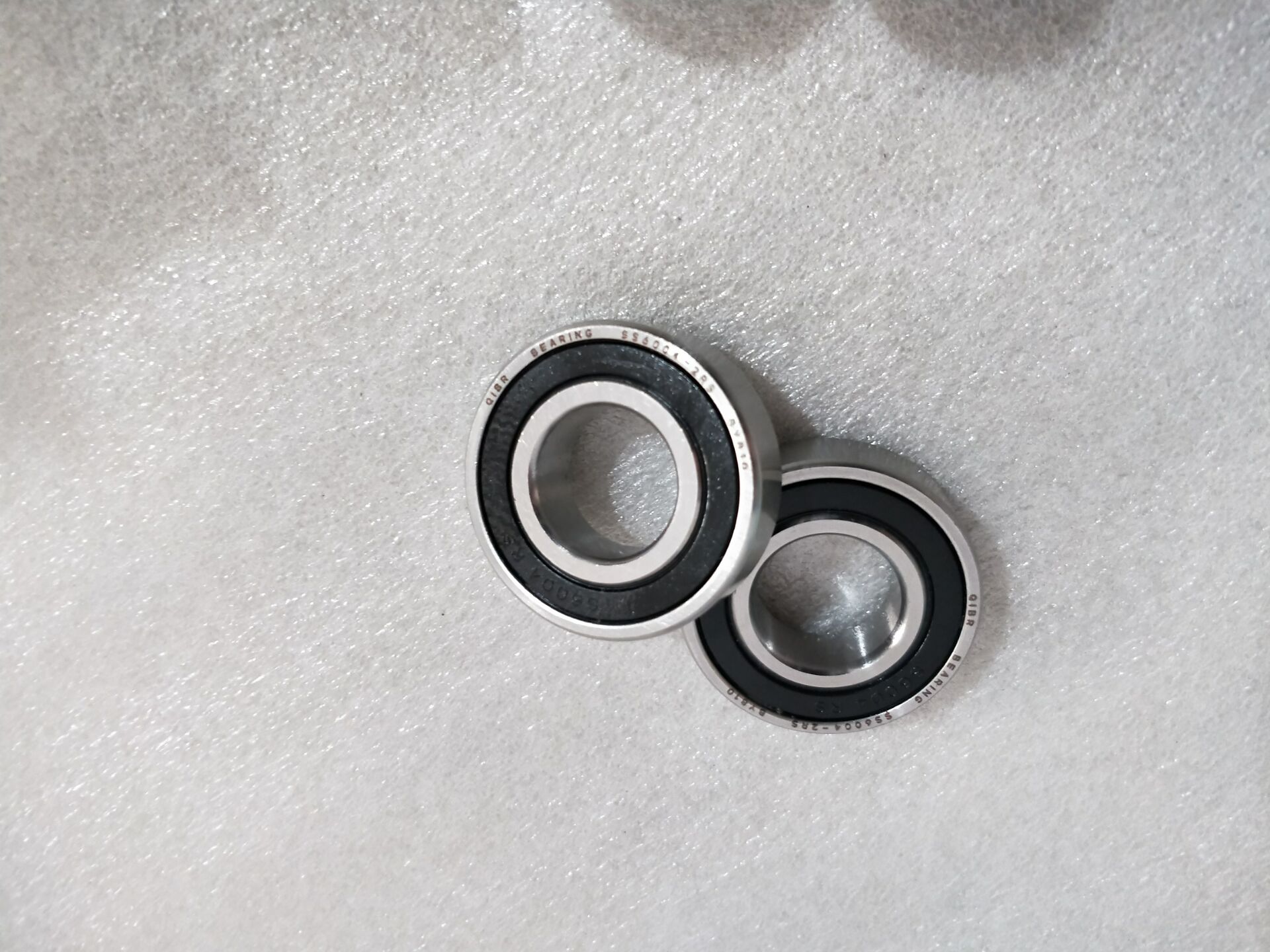
In high-temperature environments, lubricants are more likely to evaporate, oxidize, or degrade, causing oil film failure and localized metal-to-metal contact inside the bearing.
For high-temperature deep groove ball bearing applications, lubricants with superior thermal stability and low evaporation loss should be prioritized. Regular grease replenishment is also necessary during continuous operation to maintain adequate lubrication coverage.
In addition, bearing temperature monitoring becomes increasingly important. If operating temperatures exceed the lubricant’s thermal limit, reducing load or temporarily stopping operation may be necessary to prevent severe wear and surface damage.
In hot and humid environments, high-temperature sealing materials should also be used to prevent steam or moisture ingress that can accelerate lubricant deterioration.
Key Considerations for High-Temperature Bearing Lubrication
- Use high-temperature resistant lubricants
- Improve oxidation and evaporation resistance
- Implement regular relubrication schedules
- Monitor bearing temperature continuously
- Prevent moisture and steam intrusion
4. Conclusion
Deep groove ball bearings require different lubrication strategies under varying temperature conditions. From low-temperature fluidity and startup protection to high-temperature oxidation resistance and oil film stability, lubricant selection should always match the actual operating environment.
By choosing suitable lubricating grease or oil, optimizing sealing structures, and maintaining proper relubrication intervals, bearings can achieve more reliable performance, reduced wear, and longer service life across a wide range of industrial applications.