Newsroom
Overview and Application Analysis of K20013BR0M Precision Bearing
The K20013BR0M is a high-precision single-row angular contact ball bearing belonging to the premium thin-section bearing series, designed to balance compact structural design, exceptional rotational accuracy and stable load-bearing performance. Engineered for sophisticated mechanical systems that demand minimal spatial occupation and ultra-precise motion control, this bearing has become a core component in high-end industrial automation, precision machinery, aerospace and medical equipment. Unlike conventional standard bearings with bulky cross-sections, it features a uniform thin cross-section structure, which effectively reduces the overall weight and dimensional volume of mechanical equipment while maintaining outstanding operational stability.
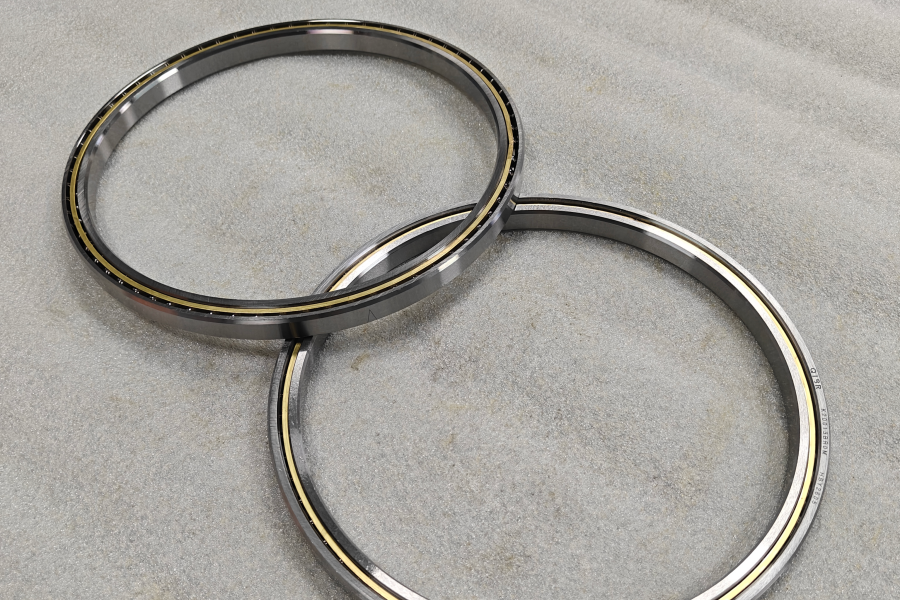
The structural design of the K20013BR0M bearing defines its unique performance advantages. As a back-to-back duplex angular contact bearing, it adopts a scientific contact angle configuration that enables it to withstand combined radial and axial loads simultaneously. This structural feature effectively avoids the load limitation of single-direction contact bearings and improves the overall stress balance of the rotating system. The bearing retains a 13-millimeter standard width, matching the mature dimensional specifications of the 13mm thin-section bearing series, ensuring high compatibility with mainstream precision mechanical structures. Meanwhile, it is equipped with a standard formed circular pocket cage, which is made of high-quality brass or high-performance non-metallic composite materials. The cage structure ensures uniform distribution of steel balls, reduces friction resistance during high-speed operation, and prevents ball deviation and collision, laying a foundation for long-term stable rotation.
Manufactured in strict accordance with ABEC1F precision standards, the K20013BR0M reaches the industry’s first-class precision level. Its strict dimensional tolerance control and super-precise raceway grinding process minimize runout and clearance during operation. This ultra-high machining accuracy enables the bearing to achieve micro-level rotational precision, which is indispensable for equipment requiring zero-error repetitive positioning and smooth rotation. The internal structural optimization eliminates excessive internal clearance, and the factory preload treatment further enhances the overall rigidity of the bearing, effectively resisting slight deformation caused by load impact and mechanical vibration during equipment operation.
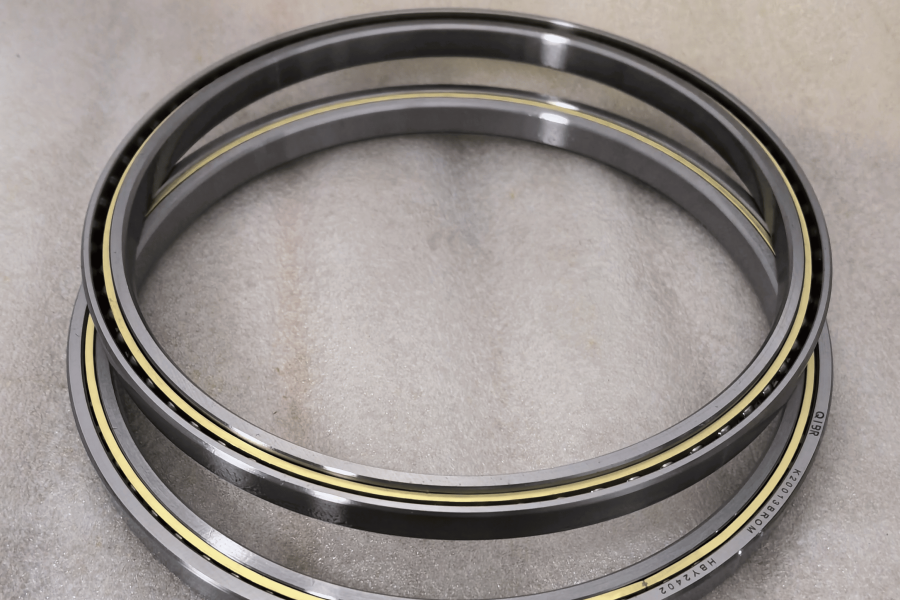
In terms of comprehensive performance, the K20013BR0M bearing integrates multiple core strengths. First, it delivers low torque and low friction operation. The optimized fit between the steel balls and the raceway, together with the high-precision cage guidance, greatly reduces rolling friction and mechanical loss, enabling the equipment to maintain efficient operation with low energy consumption. Second, it boasts excellent rotational stability and low noise characteristics. The uniform motion track of internal components avoids abnormal vibration and friction noise during high-speed rotation, meeting the mute operation requirements of precision testing instruments and medical devices. Third, the bearing features strong structural stability and fatigue resistance. High-strength bearing steel and professional heat treatment processes enhance surface hardness and wear resistance, effectively extending the service life even under long-term continuous operation and alternating load conditions.
The compact and high-precision attributes make the K20013BR0M widely applicable in high-end precision industries. In industrial robot and automated machining systems, it is applied to robot joint rotating parts and precision rotating platforms, providing accurate angle positioning and flexible rotating motion for robotic arms, ensuring the precision of grabbing, handling and assembling operations. In precision machine tool manufacturing, the bearing serves key rotating components such as machine tool spindles and indexing turntables, maintaining high rigidity and stability during high-speed cutting and precision machining, and effectively improving the machining accuracy and surface quality of workpieces.
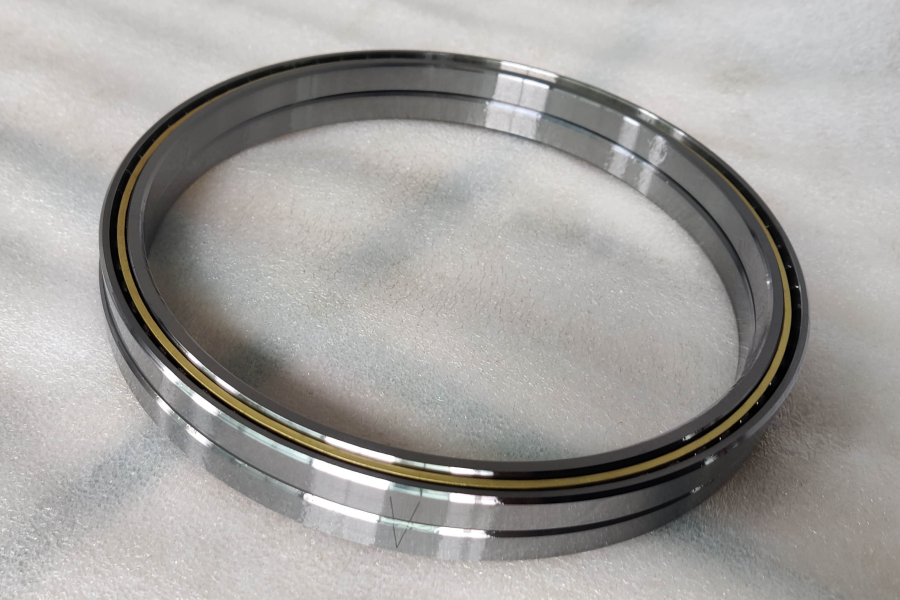
In the field of medical equipment, the K20013BR0M is an ideal component for advanced medical imaging devices and precision surgical instruments. Its ultra-precise rotation and stable operation avoid motion errors that may affect diagnostic and surgical accuracy, while its lightweight and miniaturized structure meets the lightweight design requirements of portable and sophisticated medical equipment. In aerospace and communication equipment, the bearing adapts to harsh working environments such as high-speed operation and slight vibration. Its reliable load resistance and structural stability ensure the stable operation of radar rotating mechanisms, satellite communication components and optical detection equipment, providing accurate motion support for high-precision detection and signal transmission.
Proper installation and daily maintenance are critical to maximizing the performance and service life of the K20013BR0M bearing. During installation, operators must ensure the cleanliness of the installation environment and parts to prevent tiny impurities from entering the internal structure and causing wear or jamming. Standard installation tools should be used to avoid violent knocking and extrusion, so as not to damage the precision raceway and internal preload structure. In terms of lubrication, professional high-precision bearing grease should be selected, and regular lubrication maintenance should be carried out according to the operating frequency and working environment to reduce friction loss and prevent component aging and wear.
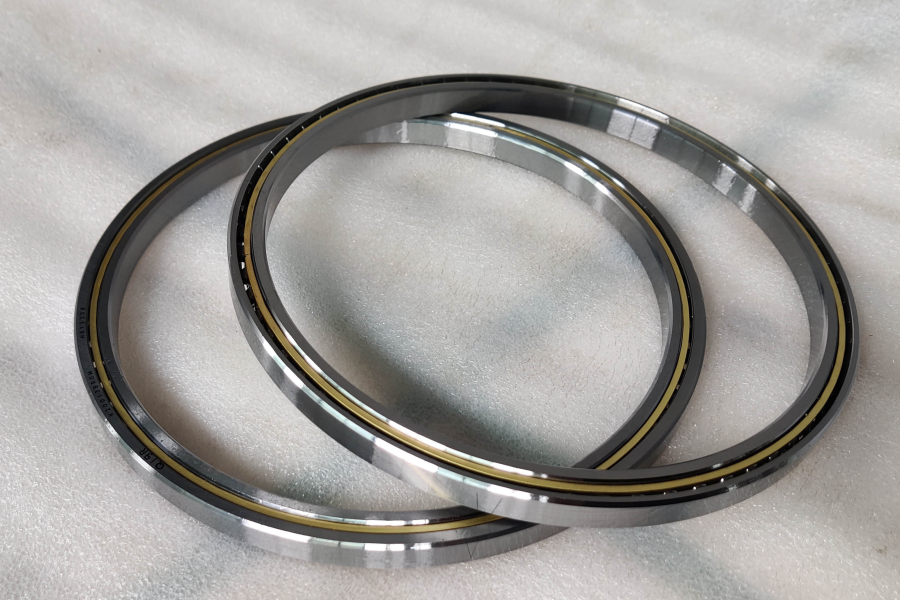
In conclusion, the K20013BR0M precision thin-section angular contact bearing stands out in the precision bearing market by virtue of its compact structure, ultra-high precision, stable load-bearing capacity and low-friction operation performance. It solves the core pain points of spatial limitation, precision insufficiency and poor stability in high-end precision mechanical design. With the continuous upgrading of industrial automation, intelligent manufacturing and high-precision equipment manufacturing industries, this bearing will have broader application prospects, providing reliable basic component support for the iterative upgrading of various high-precision mechanical systems.